
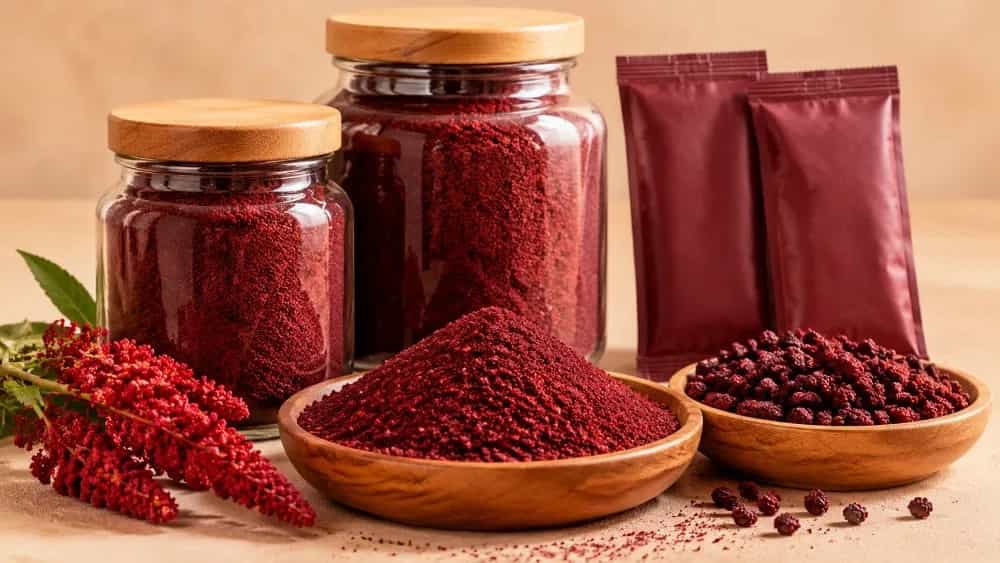
Providing sumac for store and restaurant packaging in Sardasht is done directly on the basis of standard moisture percentage measurement, organic color stabilization and homogeneous granulation with mechanized sorting nets. Direct purchase from the mountainous climate of Sardasht reduces the risk of common market impurity such as fruit pomace or added salt to zero and provides a product with natural acidity and lasting aroma to distribution centers and dining halls. Sardasht Samaq Gostar collection leads this cycle from harvesting to moisture-proof packaging.
Structural differences of store and restaurant sumac from the point of view of the processing line
The sumac for the store shelf has different physical characteristics with the product that is placed on the restaurant table or the kebab bar line. In the retail market, the factor of visual transparency and non-clumping in glass and polypropylene packaging is the first priority of the home buyer. For this reason, during the cleaning and polishing stage, the amount of natural fat of the seed is controlled so that the sumac powder does not stick to the wall of the container and has smooth flow inside the household salt shakers.
In the use of restaurants and industrial kitchens, the focus is on stability of flavoring at high heat and resistance to cooking. Sashey restaurant sumac should maintain its crispy and gassy texture without quickly absorbing moisture from the environment. According to the technical data obtained from mechanized sorting, sumac seed impurity waste in standard lines is reduced to less than half a percent, which prevents blockage of single-person packaging machines and unusual bitterness in the final seasoning of kebabs.
The hidden challenges of market frauds and criteria for verifying the purity of sumac
One of the biggest challenges of food supply centers is dealing with unauthorized processed sumacs that contain artificial color, groundnut powder and excessive salt to make the load heavier. The original sumac of the Sardasht region has a dull crimson to purple-brown color range and never has a phosphorescent red or shiny transparency.
In field tests, mixing a spoonful of pure sumac in cold water should show uniform dissolution of malic acid without rapid precipitation of chemical pigments. The texture of Sardasht quality sumac has a velvety and slightly sticky texture when touched with the fingertips due to bioactive tannin compounds and does not completely take on a floury or chalky state. Removal of excess moisture through continuous rotary dryers extends product shelf life up to two years without the need for chemical preservatives.
Qualitative index | Sumac packaged in stores (retail) | Sumac sachet and restaurant bulk (Industrial) | Non-standard or traditional sumac |
Mesh Size | Medium mesh (uniform and granular) | Coarser mesh (preserving traditional texture and fiber) | Heterogeneous (contains rough micro-kernel) |
Final moisture percentage | Less than 8 Percentage | Less than 9.5% | Above 12% (mildew prone) |
Type of basic packaging | Containers Silpet and metallized cellophane | three-layer laminate sachet and moisture-proof mother carton | permeable hemp bags |
amount of added salt | Zero percent (net) | Zero percent | Higher than 10 percent |
Natural color retention | Up to 24 months out of sunlight | Up to 18 months in dry storage | Less than 6 months with rapid loss of flavor |
The climatic advantages of Sardasht in the concentration of sumac antioxidant compounds
The suitable height above the sea level and the dense mountainous texture of the Zagros forests in Sardasht is the natural growth bed of a species of sumac shrubs that do not require any fertilization or chemical pesticides. The soil rich in minerals in this geography doubles the concentration of natural organic acids, especially tartaric acid and anthocyanins in the skin of the fruit.
In practice, it has been observed that professional restaurateurs and owners of chain stores, when examining the cooking test of red meat, acknowledge the distinctive taste and attractiveness of sumac in this climatic area. The natural structure of tannins in Sardasht sumac has the property of softening meat protein fibers and accelerates the fat digestion process in traditional kebabs; An advantage that cannot be seen in imported sumacs or low-altitude steppe crops.
New standards of packaging in the durability of organoleptic properties
Change in aroma and color (oxidation) is the Achilles heel of powdered sumac in warehouses. The direct contact of fruit acids with air and sunlight causes dark browning and reducing the sharpness of sour taste in the long run. To prevent this quality drop, Sumaq Gostar Sardasht has equipped its packaging lines with nitrogen gas injection in sachets and the use of multi-layer aluminum foils.
At the store level, the induction flood of the opening of the containers prevents the entry of moisture and gas exchange and stabilizes the initial freshness of the product until it is consumed in the home kitchen. For caterers and reception halls, impermeable paper or polymer sachets, while preventing the loss of salt and powder in the hot load, improve the hygiene of serving to a level consistent with the health inspectors' checklists.
Logistics management and supply chain directly from the origin of Sardasht warehouse
Procurement directly from the center of production solves the concern of seasonal price fluctuations and quality instability for hypermarket chains and distribution companies. In traditional mediation models, loads of sumac are stored in warehouses in the capital or central cities for months and face secondary microbial contamination.
Planned shipment from Sardasht in five-layer cardboard mother packs with anti-impact protection ensures the physical health of cans and sachets during shipment. By removing the overhead costs of mediation, major buyers receive a sorted product with the production date of the day, which enables tracking the authenticity of the goods and maintaining the satisfaction of the final buyers in a sustainable manner.

